
Article
When to Use Branding Compliance in Alcohol Marketing Strategies
Discover when to use branding compliance in alcohol marketing strategies for legal adherence.
· 10 min read
Overview
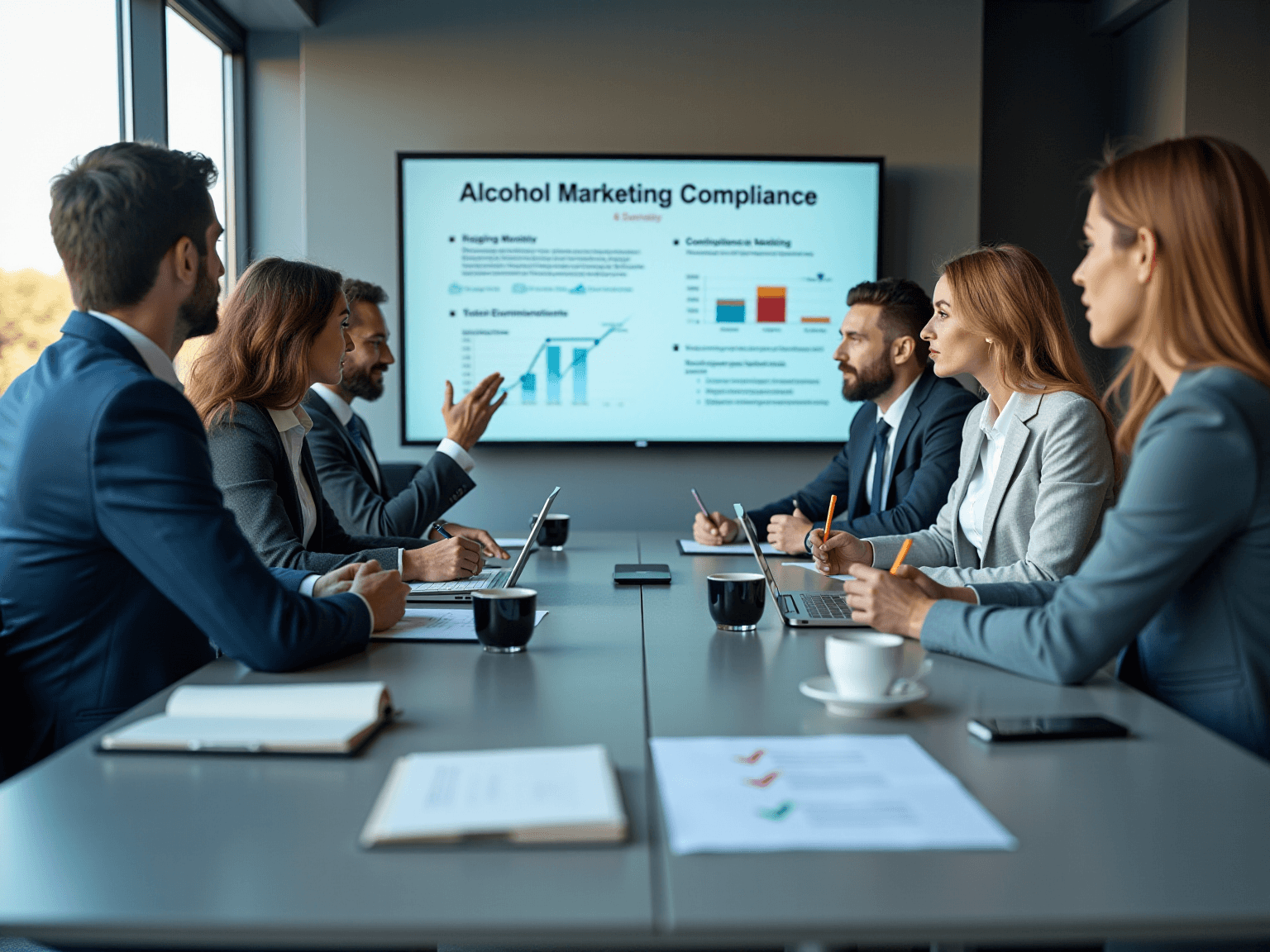
Branding compliance in alcohol marketing is crucial for adhering to legal regulations and industry standards. It is imperative to avoid targeting underage consumers and to promote responsible drinking. This article underscores the significance of leveraging tools like Inspack for automating content approval and conducting compliance audits. Such tools streamline the process of ensuring that promotional materials not only meet regulatory requirements but also uphold brand integrity.
Key Highlights:
Introduction
In the competitive landscape of alcohol marketing, compliance with branding regulations stands as both a legal necessity and a cornerstone of brand integrity. Marketers must adeptly navigate a complex web of federal and state laws, industry guidelines, and ethical considerations to ensure their campaigns resonate responsibly with consumers.
Tools like Inspack empower organizations to streamline the compliance process, significantly minimizing risks and safeguarding their reputation.
This article delves into the essential aspects of branding compliance in alcohol marketing, offering valuable insights on key regulations, evaluation strategies, and ongoing resources designed to help marketers thrive in a highly regulated environment.
Understand Branding Compliance in Alcohol Marketing
It is essential to know when to use branding compliance in alcohol promotion, as it pertains to adhering to legal regulations and industry standards governing the promotion of alcoholic beverages. Advertisements must not target underage consumers, promote excessive drinking, or misrepresent the product. Marketers must understand when to use branding compliance in alcohol to avoid legal repercussions and uphold brand integrity.
Inspack automates content approval, checking for policy violations, missing disclaimers, and age restrictions—reducing review time from weeks to mere minutes. This solution ensures adherence to brand guidelines and client-specific requirements, safeguarding reputations and minimising risks. Familiarising yourself with the key principles of responsible promotion, particularly when to use branding compliance in alcohol, is vital; this includes encouraging moderation and ensuring that all claims made in advertisements are truthful and substantiated. This knowledge, combined with Inspack's verification process, will guide your marketing strategies and assist you in navigating the complex landscape of beverage advertising, especially regarding when to use branding compliance in alcohol, while mitigating regulatory risks. Embrace these insights to enhance your promotional efforts and maintain compliance in an ever-evolving industry.

Identify Key Regulations and Guidelines
To effectively promote spirits, it is crucial to recognise when to use branding compliance in alcohol and comprehend the main rules and guidelines that govern beverage advertising. These encompass federal guidelines from the Alcohol and Tobacco Tax and Trade Bureau (TTB), state-specific laws, and industry self-regulatory codes. Essential laws frequently address elements such as age verification, honest advertising, and guidelines on when to use branding compliance in alcohol promotions. For example, advertisements must not target minors and should encourage responsible drinking, which highlights when to use branding compliance in alcohol. Inspack's AI-driven verification process guarantees that all promotional materials conform to these rules and follow brand guidelines, offering immediate checks for alignment with both legal standards and client-specific needs. This comprehensive verification minimises the risk of violations and safeguards the reputations of both the agency and its clients. Acquaint yourself with the following resources:

Evaluate Your Branding Strategies for Compliance
Once you have a solid understanding of when to use branding compliance in alcohol and the pertinent guidelines, the next step is to evaluate your current branding strategies. This entails examining all promotional materials, including advertisements, social media posts, and content, to determine when to use branding compliance in alcohol and ensure they adhere to established guidelines. Here are some steps to follow:

Utilize Tools and Resources for Ongoing Compliance
To ensure continuous adherence in your alcohol promotion strategies, it is vital to understand when to use branding compliance in alcohol by employing various tools and resources. Here are some suggestions:

Conclusion
Navigating the complexities of alcohol marketing compliance is essential for maintaining brand integrity and avoiding legal pitfalls. By understanding the legal regulations and industry standards that govern alcohol advertising, you can ensure your campaigns responsibly engage consumers while promoting moderation and truthfulness. Utilizing tools like Inspack streamlines the compliance process and minimises risks, allowing for quicker reviews and a more efficient workflow.
Evaluating existing branding strategies through compliance audits and stakeholder engagement is crucial for identifying potential issues and making necessary adjustments. By embracing a collaborative approach and documenting changes, your brand can uphold its reputation in a highly regulated environment.
Ongoing compliance is an evolving process that requires the use of advanced tools, regular training, and staying informed about industry updates. By leveraging resources and feedback mechanisms, you can continually refine your strategies to meet compliance standards. Ultimately, prioritising branding compliance not only safeguards your reputation but also fosters trust with consumers, paving the way for lasting success in the competitive alcohol marketing landscape.
Frequently Asked Questions
Why is branding compliance important in alcohol promotion?
Branding compliance is essential in alcohol promotion to adhere to legal regulations and industry standards, ensuring that advertisements do not target underage consumers, promote excessive drinking, or misrepresent the product.
What are the consequences of not following branding compliance in alcohol marketing?
Failing to follow branding compliance can lead to legal repercussions and damage to brand integrity.
How does Inspack assist with branding compliance in alcohol promotion?
Inspack automates content approval by checking for policy violations, missing disclaimers, and age restrictions, significantly reducing review time from weeks to mere minutes while ensuring adherence to brand guidelines and client-specific requirements.
What key principles should marketers familiarize themselves with regarding responsible alcohol promotion?
Marketers should encourage moderation and ensure that all claims made in advertisements are truthful and substantiated.
How can understanding branding compliance help marketers in the alcohol industry?
Understanding branding compliance helps marketers navigate the complex landscape of beverage advertising, mitigate regulatory risks, and enhance their promotional efforts while maintaining compliance in a changing industry.